Owner
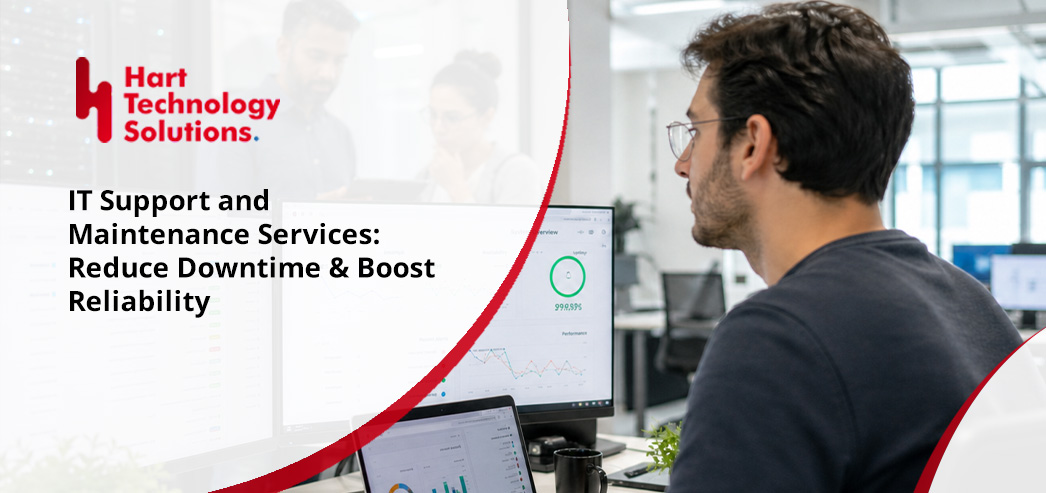
Keeping your business technology running smoothly is essential for productivity and growth. In this blog, you'll learn what IT support and maintenance services are, why they're important, and how they help reduce downtime. We'll cover the different types of maintenance and support, the role of proactive support teams, and how hardware and software maintenance can prevent disruption. You'll also discover practical steps for choosing the right provider and best practices for ensuring your systems run smoothly across multiple devices and platforms.
IT support and maintenance services are designed to keep your business technology reliable and efficient. These services include regular checkups, troubleshooting, and updates to make sure your systems are always ready for work. With the right support, you can minimize downtime and avoid unexpected disruptions that can slow your business down.
A good maintenance service covers both hardware and software. This means your computers, servers, and network devices get the attention they need, and your software stays up to date. Having a skilled technician on call ensures that problems get resolved quickly, so your business can keep moving forward.

Even with the best intentions, businesses sometimes make mistakes when managing IT support and maintenance services. Here are some of the most common issues to watch out for:
Skipping regular checkups can lead to bigger problems down the road. Preventive maintenance helps catch small issues before they turn into major disruptions. This keeps your systems running smoothly and extends the life of your equipment.
Putting off software updates can make your systems vulnerable to security threats. Regular updates help protect your data and improve system reliability. Make sure updates are part of your routine maintenance plan.
Without a clear patch management strategy, you risk missing important fixes. Patch management ensures that all your devices have the latest security and performance updates, reducing the chance of downtime.
Servers are the backbone of your IT infrastructure. Failing to maintain them can lead to slow performance or even outages. Schedule regular server checkups to keep everything running at its best.
Waiting for something to break before calling for help can be costly. Proactive monitoring and regular maintenance help prevent issues before they impact your business.
Every business is different. Make sure your IT support and maintenance services are tailored to your specific needs, so you get the most value from your investment.
Reliable IT support and maintenance services offer several important benefits:

Proactive support teams play a key role in keeping your IT infrastructure maintenance on track. Instead of waiting for problems to happen, these teams use monitoring tools to spot potential issues early. This approach helps prevent downtime and keeps your business running efficiently.
Support teams also handle preventive maintenance, making sure your hardware and software are always up to date. By addressing small problems before they become big ones, they help you avoid costly disruptions and keep your systems performing at their best.
There are several types of maintenance and support that businesses should consider. Each type addresses different needs and helps keep your IT systems reliable.
Preventive maintenance involves regular inspections and updates to stop problems before they start. This includes checking hardware for wear and tear and making sure software is current.
When something goes wrong, corrective maintenance fixes the issue. This could mean repairing a broken server or troubleshooting a network problem. Fast response times are critical here.
As your business grows, your IT needs may change. Adaptive maintenance helps your systems adjust to new requirements, like adding new users or upgrading software to support new features.
Perfective maintenance focuses on improving your existing systems. This might involve optimizing performance or adding new capabilities to better support your business needs.
Using data and monitoring tools, predictive maintenance identifies potential problems before they happen. This approach relies on proactive monitoring to keep your systems running smoothly.
Sometimes, unexpected issues require immediate attention. Emergency maintenance is all about resolving critical problems quickly to minimize downtime and disruption.
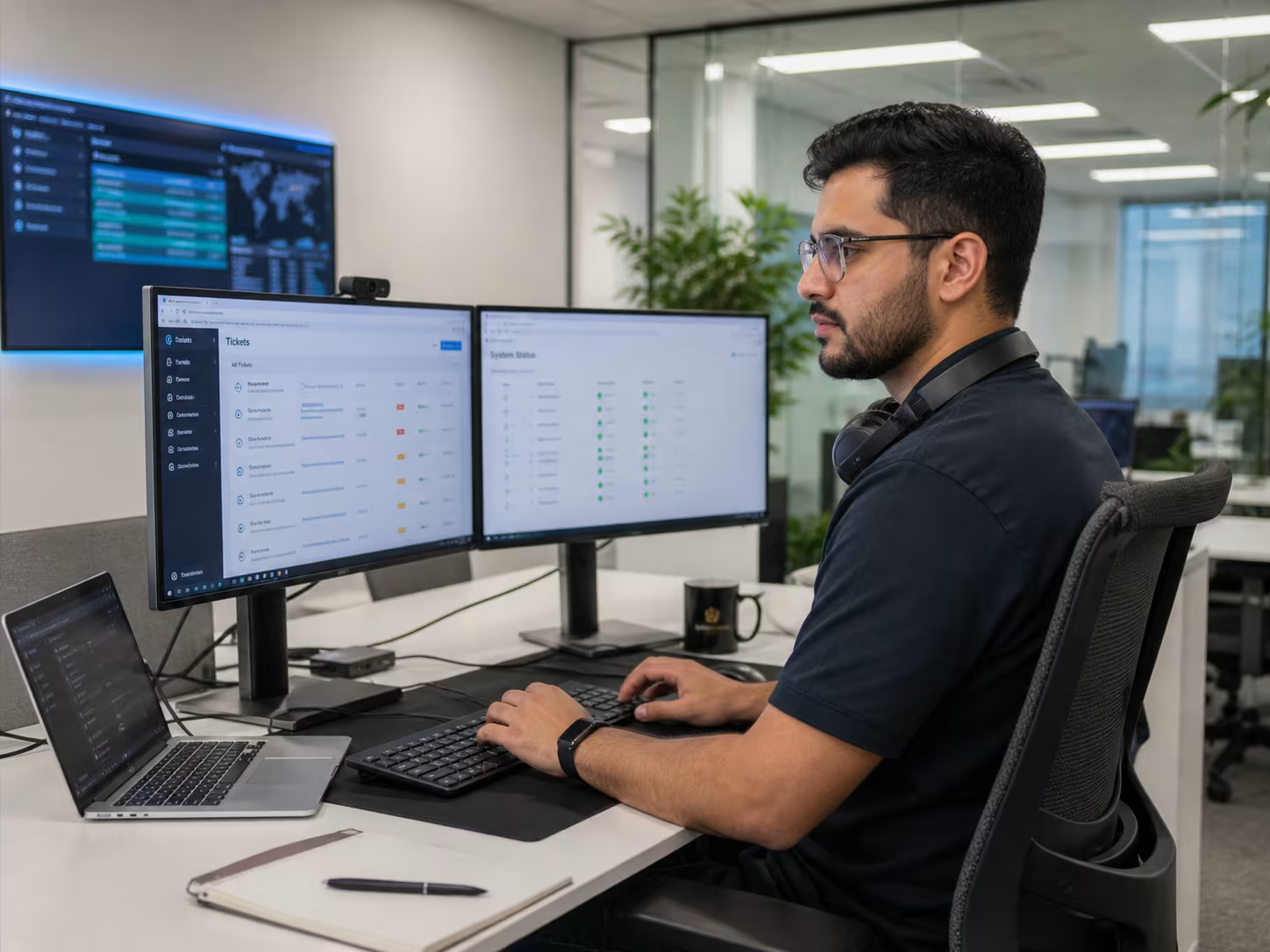
Implementing IT support and maintenance services starts with understanding your business needs. Assess your current systems and identify areas that need improvement. This helps you choose the right mix of services, from preventive maintenance to proactive monitoring.
Next, work with a provider that offers clear communication and fast response times. Make sure they have experience with both hardware and software, and that they can support your systems across multiple platforms. Regular reviews and updates will keep your technology running smoothly and help you stay ahead of potential problems.
To get the most out of your IT support and maintenance services, follow these best practices:
Following these steps will help keep your systems reliable and reduce the risk of costly downtime.
Are you a business with 15 or more employees looking for reliable IT support and maintenance services? As your company grows, having the right maintenance and support team becomes even more important to keep your operations running smoothly and minimize downtime.
We understand the challenges of managing IT infrastructure maintenance and IT maintenance and support. Our team offers tailored solutions to help you resolve issues quickly, extend the life of your equipment, and ensure your systems run smoothly. Contact us today to learn how we can support your business.
A typical maintenance service includes regular hardware and software checkups, troubleshooting, and preventive maintenance to keep your systems running efficiently. Services often cover patch management and software updates to reduce downtime and prevent disruption.
By scheduling these services, you can resolve small issues before they become major problems. This approach helps extend the life of your equipment and ensures your systems run smoothly across multiple devices.
Maintenance and support services are designed to catch problems early and fix them fast. Proactive monitoring and preventive maintenance help reduce downtime by identifying issues before they impact your business.
Support teams also provide quick troubleshooting and technician support when something goes wrong. This combination keeps your systems running smoothly and minimizes the risk of unexpected disruption.
Support services can include everything from hardware maintenance services to software troubleshooting and patch management. Some providers also offer data center support and proactive monitoring to keep your business running efficiently.
By choosing the right mix of services, you can ensure your systems are always up to date and ready to handle your business needs. This helps reduce downtime and improve reliability.
Support and maintenance are essential for keeping your servers reliable. Regular checkups, preventive maintenance, and software updates help prevent server failures and minimize downtime.
Technician support ensures any issues are resolved quickly, while proactive monitoring helps spot potential problems before they cause disruption. This keeps your business operations running smoothly.
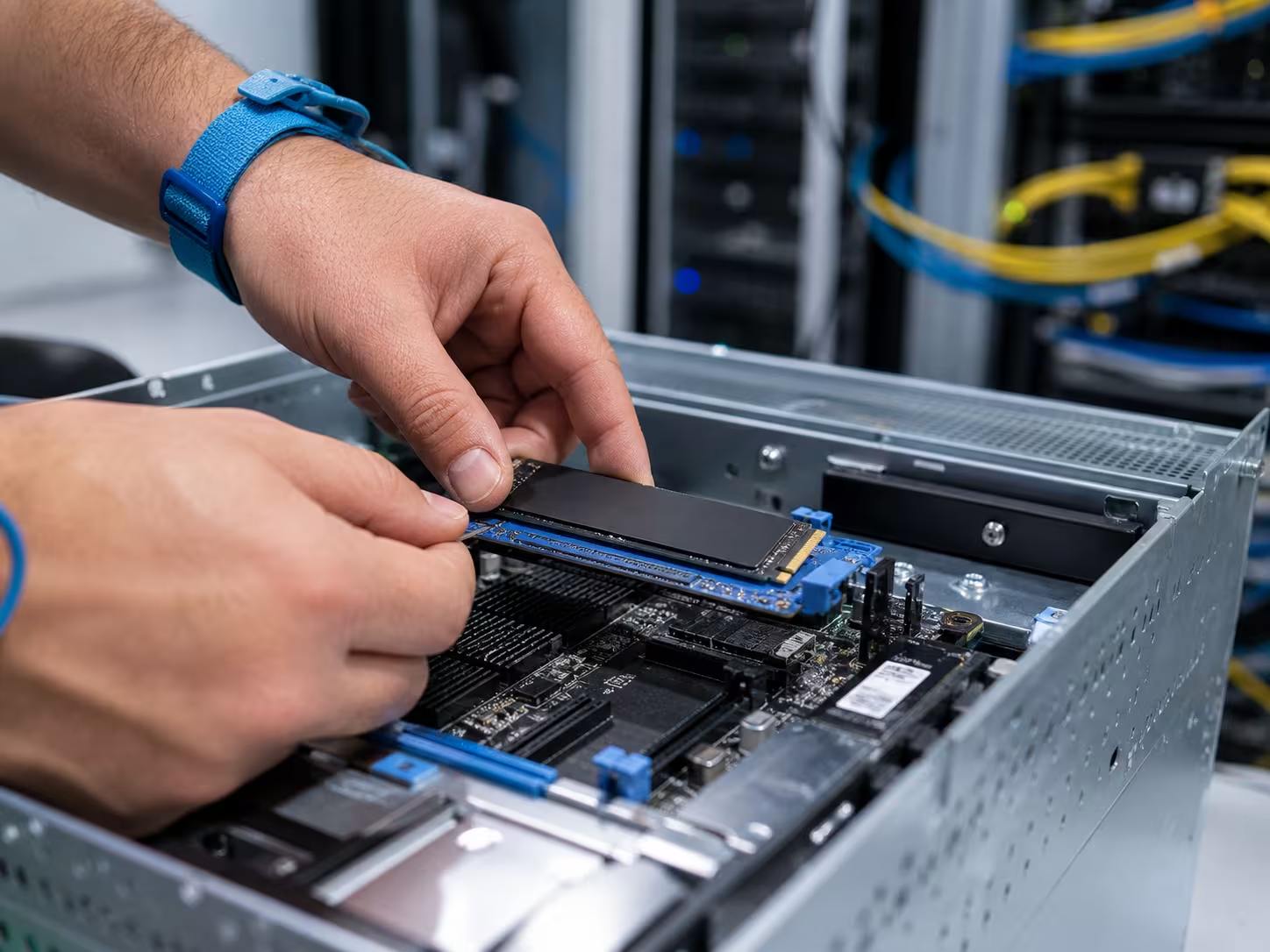
Hardware maintenance services include regular inspections, cleaning, and repairs to keep your equipment in top shape. Preventive maintenance helps catch small issues early, reducing the risk of major failures.
By investing in these services, you can extend the life of your hardware and avoid costly replacements. This approach also helps ensure your systems run smoothly and reliably.
Outsourcing IT maintenance services gives you access to experienced support teams who can handle everything from preventive maintenance to troubleshooting and patch management. This allows you to focus on your core business while experts manage your IT needs.
Outsourcing can also help reduce downtime and improve reliability by providing proactive monitoring and fast response times. It's a practical solution for businesses looking to keep their systems running efficiently.
.jpg)
Trey Hart is the Owner of Hart Technology Solutions, bringing together deep IT expertise and strong business leadership. With a degree in Information Systems from Georgia Southern University and an MBA from the University of Arizona, Trey blends technical insight with strategic vision.