Owner
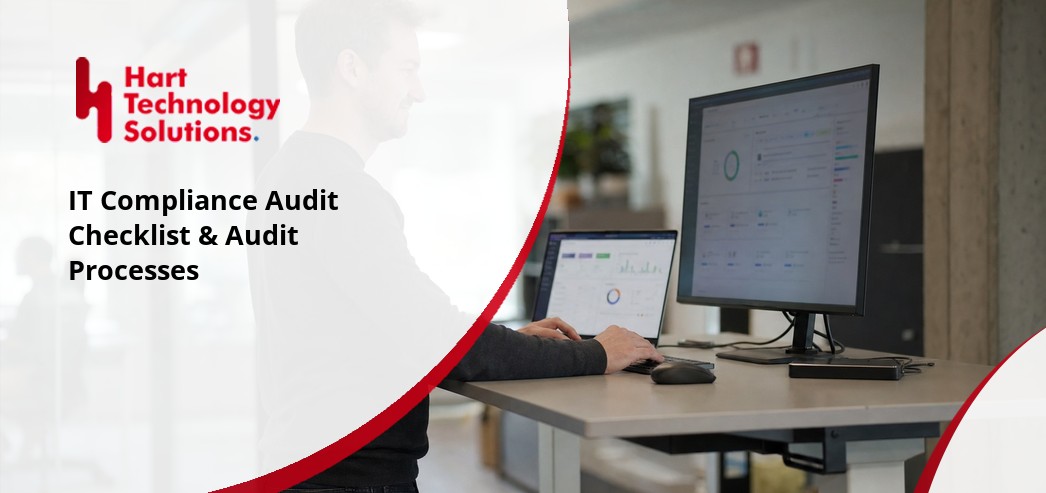
Businesses today face more rules and risks than ever before, making IT compliance audits a critical part of staying secure and legal. Whether you’re preparing for an internal audit or want to improve your compliance program, understanding the audit processes and regulatory requirements is essential. In this blog, you’ll learn what an IT compliance audit is, why it matters, the steps involved, common challenges, and how to build a compliance checklist that works for your business. We’ll also discuss compliance standards, risk management, and how ongoing compliance can protect your company from costly mistakes.
An IT compliance audit is a detailed review of your company’s technology systems, policies, and processes to make sure they meet specific legal, regulatory, or industry standards. These audits help you find gaps in your security and compliance, so you can fix them before they become bigger problems. For many businesses, passing an IT compliance audit is not just about avoiding fines—it’s about building trust with customers and partners.
During an audit, a compliance auditor checks your systems and documents to see if you’re following the right rules. This might include data protection laws, industry guidelines, or your own internal policies. The audit process usually involves reviewing controls, interviewing staff, and testing systems to make sure everything works as it should. By completing regular compliance audits, you can spot problems early and keep your business running smoothly.

Getting an IT compliance audit right takes planning and attention to detail. Here are some key steps to help you avoid common pitfalls and build a stronger compliance program.
Start by identifying which laws, regulations, or standards apply to your business. This could include data privacy rules, industry-specific guidelines, or regional regulations. Knowing exactly what you need to comply with helps you focus your efforts and avoid missing critical requirements.
A well-organized audit checklist keeps your team on track. List all the controls, documents, and systems that need to be reviewed. This makes the audit process smoother and ensures nothing is overlooked.
Make sure everyone knows their responsibilities. Assign tasks to specific people, such as gathering evidence, updating policies, or answering auditor questions. A clear structure helps avoid confusion and speeds up the process.
Check that your policies and controls match the latest compliance frameworks relevant to your industry. This could include standards like HIPAA, PCI DSS, or ISO 27001. Staying up to date helps you avoid gaps and surprises during the audit.
If you’re expecting an external audit, do a practice run first. This helps you find and fix issues before the real audit begins. It also gives your team confidence and reduces stress.
Keep detailed records of your audit steps, findings, and actions taken. Good documentation shows auditors that you take compliance seriously and makes future audits easier.
Don’t treat compliance as a one-time event. Set up regular checks and reviews to make sure your systems stay secure and compliant all year round.
A strong IT compliance audit offers several important benefits for your business:

IT compliance audits are a key part of risk management. By regularly reviewing your systems and processes, you can spot weaknesses that could lead to data breaches, legal trouble, or lost business. These audits force you to look closely at how your company handles sensitive information and whether your controls are strong enough.
A good compliance audit also helps you prepare for changes in regulatory compliance. Laws and standards often change, and regular audits keep you ahead of the curve. They also make it easier to respond if something goes wrong, since you’ll have clear records and a plan in place. In short, compliance audits are not just about passing a test—they’re about protecting your business from real-world threats.
Even the best-prepared companies face challenges during an IT compliance audit. Here are some practical ways to tackle the most common issues.
Regulations can change quickly, making it hard to stay compliant. Set up alerts or subscribe to industry updates so you’re always aware of new rules. Regular training for your compliance officer and team can also help you adapt faster.
Audits often require you to collect and review lots of data. Use IT compliance solutions to automate data collection and reporting. This saves time and reduces the risk of missing important details.
Sometimes, employees see audits as extra work. Explain why compliance matters and how it protects the company. Involve staff in audit preparation to make them feel part of the process.
Many businesses must follow more than one set of rules. Map out where requirements overlap and create a unified compliance program. This avoids duplication and makes audits simpler.
Small teams may struggle to keep up with all the tasks. Prioritize the most important risks and use IT compliance security tools to automate routine checks. Consider bringing in outside help for complex audits.
Good documentation is key to passing an audit. Keep records organized and up to date, and review them regularly. This makes it easier to show auditors you’re prepared.
Compliance doesn’t end after the audit. Set up regular compliance monitoring and schedule follow-up reviews. This helps you catch new issues early and keeps your business protected.

To get started with an IT compliance audit, first gather all relevant policies, procedures, and system logs. Make sure your compliance team knows what to expect and has access to the information they need. Next, review your current controls against your compliance requirements to spot any gaps.
Once you’ve identified areas for improvement, create an action plan with clear deadlines and responsibilities. Use IT compliance solutions to streamline data collection and reporting. Finally, schedule regular follow-ups to check progress and make adjustments as needed. By following these steps, you’ll be better prepared for both internal and external audits—and you’ll reduce the risk of costly mistakes.
Following a few best practices can make your IT compliance audit much easier:
A little planning goes a long way toward a successful audit.

Are you a business with 15 or more employees looking for reliable IT compliance audit support? As your company grows, keeping up with compliance requirements and audit readiness can become overwhelming. Our team specializes in helping businesses like yours build strong, secure, and compliant IT systems.
We understand the challenges of managing complex audit processes and staying up to date with regulatory compliance. Hart Technology Solutions offers IT compliance solutions tailored to your needs, making it easier to pass audits and protect your business. Contact us today to find out how we can help you achieve ongoing compliance and peace of mind.
An internal audit is conducted by your own staff or an internal team to check if your business is following its own policies and compliance requirements. This helps you spot problems early and prepare for more formal reviews. An external audit, on the other hand, is performed by an outside compliance auditor who checks if you meet regulatory requirements and industry standards. Both types of audits are important for maintaining compliance and reducing risk.
A compliance audit process helps you find weaknesses in your systems and processes before they become bigger issues. By following a structured audit checklist, you can make sure all important areas are reviewed and improved. This not only boosts your IT compliance security but also helps you meet compliance standards and build trust with customers.
A good compliance audit checklist should cover all key areas, such as data protection, access controls, and incident response plans. It should also include steps for reviewing documentation, interviewing staff, and testing systems. By using a detailed checklist, your audit team can make sure nothing is missed, and your compliance program stays strong.
Different types of compliance audits focus on various aspects of your business, such as financial controls, data security, or regulatory compliance. Each type helps you address specific risks and meet unique compliance requirements. Regularly conducting these audits ensures ongoing compliance and reduces the chance of costly mistakes.
Growing businesses often struggle with limited resources, changing regulations, and managing multiple compliance frameworks. These challenges can make it hard to keep up with audit preparation and compliance management. By using IT compliance solutions and involving your compliance officer early, you can overcome these obstacles and stay on track.
Compliance monitoring involves regularly checking your systems and processes to make sure they stay in line with regulatory requirements. This helps you catch new risks early and maintain audit readiness. Ongoing compliance monitoring also supports your compliance program by making it easier to adapt to changes and avoid surprises during audits.
.jpg)
Trey Hart is the Owner of Hart Technology Solutions, bringing together deep IT expertise and strong business leadership. With a degree in Information Systems from Georgia Southern University and an MBA from the University of Arizona, Trey blends technical insight with strategic vision.