Owner
Moving your business to the cloud is a big step, but it can bring major benefits if done right. This blog will help you understand what cloud migration consulting is, why it matters, and how it can help your business avoid common mistakes. You’ll learn about migration strategies, working with a cloud migration consultant, and how to build a roadmap for a successful migration. We’ll also cover key benefits, best practices, and practical steps for optimizing your cloud environment, including tips for managed services, automation, and reducing downtime.
Cloud migration consulting helps businesses move their data, applications, and workloads from on-premises systems or a data center to a cloud platform. This process is more than just copying files. It involves planning, choosing the right cloud provider, and making sure your cloud strategy fits your business goals.
A cloud migration consultant brings experience with different cloud services like AWS, Google Cloud, and Microsoft Azure. They help you avoid costly mistakes, improve performance, and ensure your migration plan supports digital transformation. With the right guidance, you can optimize your cloud environment, reduce infrastructure costs, and increase agility.

Even with the best intentions, businesses often run into problems during migration. Here are some of the most important things to watch out for:
Not having a detailed migration strategy can lead to confusion and wasted resources. You need to know which workloads to move, when to move them, and how to test everything after migration. A clear strategy helps you avoid downtime and keeps your migration on track.
Some applications are easy to move, while others need special attention. If you underestimate the complexity of your workloads, you might face unexpected issues. It’s important to assess each workload and plan for any changes needed.
Not all cloud platforms are the same. Picking the wrong one can limit your scalability and increase costs. Take time to compare options like AWS, Google Cloud, and Oracle to find the right fit for your business.
Security and compliance should be part of your migration plan from the start. Make sure your cloud provider meets your industry’s requirements and that your data is protected during and after migration.
Once you’ve moved to the cloud, you can’t just forget about it. Ongoing optimization helps you cut costs, improve performance, and get the most value from your cloud service.
Your business will grow, so your cloud solution should be scalable. Make sure your migration plan allows you to add resources easily as your needs change.
Managed services can simplify cloud management, but some businesses overlook them. Using managed services can save time and help you focus on your core business.
Working with a cloud migration consultant offers many advantages:

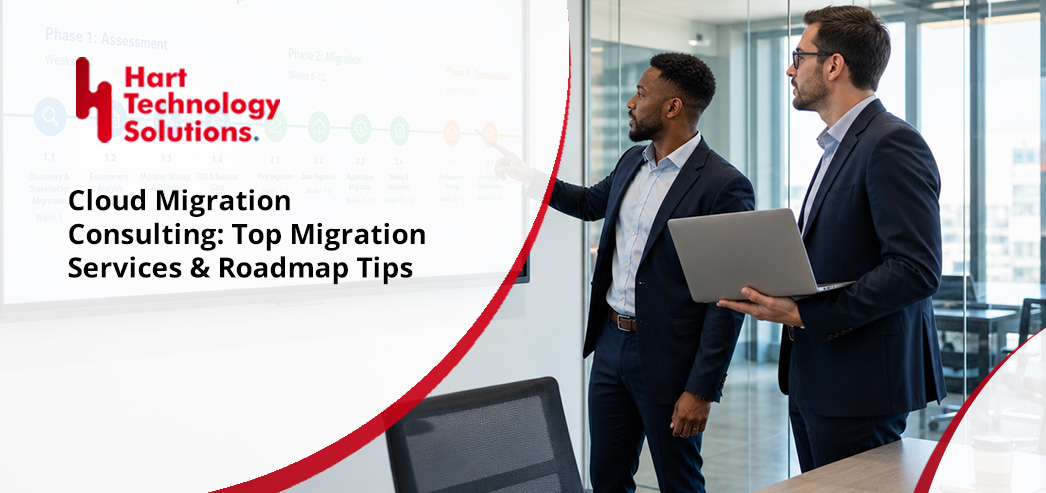
A successful migration starts with a solid roadmap. This plan should outline every step, from assessing your current systems to deploying your workloads in the cloud. It’s important to involve key stakeholders and set clear milestones.
Your roadmap should also include a plan for testing and validating your cloud deployment. This helps you catch any issues early and ensures your cloud environment meets your needs. By following a structured roadmap, you can achieve a smooth migration and avoid unnecessary surprises.
Moving to the cloud doesn’t have to be slow or stressful. Here are some steps to help you accelerate your cloud migration journey:
Start by reviewing your existing data center and IT systems. Identify which applications and workloads are ready to migrate and which ones need updates.
Know what you want to achieve with cloud migration. This could be reducing costs, increasing agility, or supporting digital transformation. Clear goals help guide your decisions.
Compare cloud providers like AWS, Google Cloud, and Microsoft Azure. Look at factors like cost, scalability, and available features to choose the right fit.
Work with your cloud migration consultant to create a step-by-step migration plan. Include timelines, responsibilities, and testing procedures.
Automation can speed up deployment and reduce errors. Use automation tools to move workloads to the cloud efficiently.
After migration, monitor your cloud environment for performance and cost. Regular optimization helps you get the most value from your cloud investment.
Set up managed services or internal support to handle any issues that come up after migration. This ensures your cloud environment stays reliable and secure.

When planning your migration, consider the impact on your business operations. Minimize downtime by scheduling migrations during off-peak hours and testing everything before going live. Make sure your team is trained on the new cloud platform so they can manage it effectively.
It’s also important to review your cloud strategy regularly. As your business grows, your needs may change. Stay flexible and update your migration plan as needed to support new business goals and use cases.
To get the most from your cloud migration, follow these best practices:
Following these practices helps ensure a successful migration and supports long-term business growth.

Are you a business with 15 or more employees looking to move to the cloud? If your company is growing and you want to make sure your migration goes smoothly, our team is here to help. We understand the challenges of cloud migration and know how to create a plan that fits your needs.
At Hart Technology Solutions, we offer expert cloud migration consulting services to guide you every step of the way. We help you avoid common mistakes, reduce costs, and get the most from your cloud investment. Contact us today to start your cloud migration journey with confidence.
A cloud migration consultant helps you plan and manage your migration from start to finish. They assess your current IT systems, recommend the best migration strategy, and guide you through each step. Their experience with cloud migration services ensures you avoid common mistakes and achieve a successful migration.
By working with a consultant, you can optimize your migration plan, reduce downtime, and make sure your workloads are moved safely. They also help you choose the right cloud platform and provider for your business needs.
Choosing the right cloud platform depends on your business goals, budget, and technical needs. Compare options like AWS, Google Cloud, and Microsoft Azure to see which one fits best. Consider factors like scalability, security, and available features.
A cloud migration consulting team can help you evaluate each cloud provider and decide which platform supports your digital transformation. They’ll also help you plan your deployment and ongoing management.
Cloud migration consulting services offer expert guidance, reduce risk, and speed up your migration. Consultants help you build a roadmap, avoid downtime, and ensure your data is secure. They also provide ongoing support for optimization and cost control.
With their help, you can accelerate your move to the cloud, improve performance, and cut costs. Their experience with different migration services makes the process smoother and more reliable.
To reduce costs, start by assessing which workloads to move and which to leave behind. Use automation to streamline deployment and minimize manual work. Regularly review your cloud resources and optimize them to avoid paying for unused capacity.
A cloud migration consultant can help you identify use cases that save money and suggest ways to cut costs without sacrificing performance. They’ll also help you build a roadmap for ongoing optimization.
Begin with a detailed migration plan that includes timelines, responsibilities, and testing. Involve key stakeholders and make sure everyone understands their role. Use managed services and automation to speed up the process and reduce errors.
Monitor your cloud environment after migration to catch any issues early. Regular optimization and training help your team manage the new system and support your business goals.
Plan your migration during off-peak hours to minimize the impact on your business. Test each step before going live to catch problems early. Use a phased approach to move workloads to the cloud gradually, reducing the risk of major disruptions.
A cloud migration consultant can help you develop a migration strategy that limits downtime and keeps your business running smoothly. They’ll also help you prepare for any challenges that come up during the migration process.

.jpg)